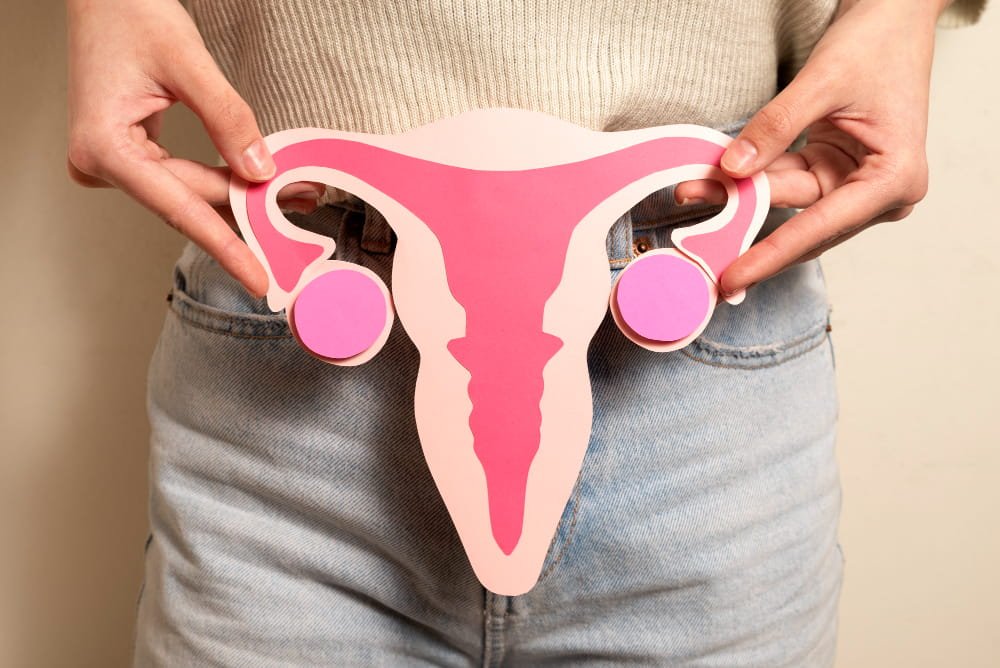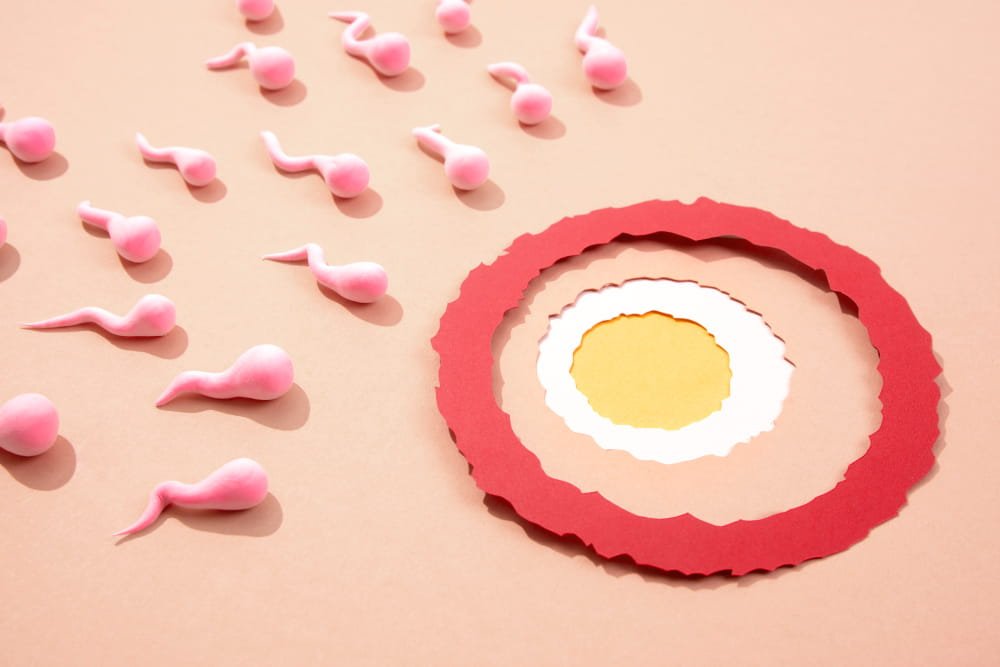
Egg quality vs age is one of the most important topics women should understand while planning pregnancy. In 2026, many women are choosing to delay motherhood because of career goals, financial planning, education, and personal priorities. However, age plays a major role in female fertility, especially when it comes to egg quality and ovarian reserve.
Many women believe they can conceive easily at any age if they stay healthy. Although healthy habits support reproductive wellness, fertility naturally changes over time. Therefore, understanding how egg quality vs age affects fertility can help women make informed decisions about pregnancy planning and reproductive health.
What Is Egg Quality?
Egg quality refers to the health and genetic condition of a woman’s eggs. Healthy eggs have the correct number of chromosomes, which increases the chances of successful fertilization, healthy embryo development, and pregnancy.
Women are born with all the eggs they will ever have. Over time, both the number and quality of eggs gradually decline. As a result, age becomes one of the biggest factors affecting female fertility.
Understanding Egg Quality vs Age
The relationship between egg quality vs age becomes more noticeable after the late 20s and early 30s. Although fertility does not suddenly disappear at 30, reproductive changes gradually begin during this period.
Additionally, hormonal changes and reduced ovarian reserve can affect conception rates with increasing age.
Fertility in the 20s
The 20s are generally considered the most fertile reproductive years for women. During this stage:
- Egg quality remains high
- Ovulation is usually regular
- Pregnancy chances are higher
- Miscarriage risk remains lower
Moreover, women in their 20s often respond better to fertility treatments if required.
However, lifestyle habits still affect reproductive health. Stress, poor diet, smoking, hormonal disorders, and PCOS can impact fertility even at a younger age.
Fertility in the Early 30s
Many women successfully conceive in their early 30s. However, subtle fertility changes may begin during this phase.
Egg quality gradually starts declining after age 30. Although the decline may not appear dramatic initially, conception may take longer compared to the 20s.
Additionally, conditions like PCOS, endometriosis, thyroid disorders, and stress can further affect fertility outcomes during this stage.
Fertility After 35
After age 35, fertility decline becomes more noticeable. Egg quality reduces faster, and ovarian reserve decreases significantly.
As a result:
- Ovulation may become less predictable
- Pregnancy may take longer
- Miscarriage risk may increase
- Chromosomal abnormalities become more common
However, many women still achieve healthy pregnancies after 35 with proper medical guidance and fertility support.
Signs Egg Quality May Be Declining
Women may notice certain signs when fertility begins changing:
- Irregular menstrual cycles
- Difficulty conceiving
- Hormonal imbalance
- Recurrent miscarriages
- Reduced ovarian reserve reports
- Increased fatigue or stress
However, some women may not experience obvious symptoms. Therefore, regular reproductive health checkups remain important.
Factors That Affect Egg Quality
Age
Age remains the most important factor affecting egg quality.
Smoking
Smoking damages egg health and accelerates ovarian aging.
Stress
Chronic stress may affect hormones and ovulation patterns.
Poor Lifestyle Habits
Unhealthy food, obesity, alcohol, and lack of sleep can affect reproductive health.
PCOS and Hormonal Disorders
Hormonal imbalance can interfere with ovulation and fertility.
Environmental Pollution
Exposure to toxins and chemicals may negatively affect ovarian health.
Can Women Improve Egg Quality?
Although women cannot stop natural aging, healthy habits may support reproductive health and improve fertility outcomes.
Doctors often recommend:
- Balanced nutrition
- Regular exercise
- Healthy body weight
- Stress management
- Quality sleep
- Avoiding smoking and alcohol
- Timely fertility evaluation
Additionally, early medical consultation can help women understand their reproductive health better.
When Should Women Consider Fertility Evaluation?
Women should consult a fertility specialist if they experience:
- Difficulty conceiving
- Irregular periods
- Recurrent miscarriages
- PCOS symptoms
- Endometriosis
- Family history of fertility problems
Women above 35 should seek fertility guidance earlier if pregnancy does not occur within six months of trying.
Fertility Preservation in 2026
In recent years, more women have started exploring fertility preservation options such as egg freezing.
Egg freezing allows women to preserve healthier eggs at a younger age for future pregnancy planning. Therefore, fertility awareness and reproductive planning have become increasingly important in 2026.
Tips to Support Fertility in Your 20s & 30s
Maintain a Healthy Lifestyle
Nutritious food and regular exercise support hormonal health.
Prioritize Sleep
Healthy sleep patterns improve hormone regulation.
Manage Stress
Meditation, yoga, and relaxation techniques can support fertility wellness.
Avoid Smoking and Alcohol
These habits may reduce egg quality and reproductive health.
Schedule Regular Gynecological Checkups
Early detection of fertility issues improves treatment outcomes.
Conclusion
Understanding egg quality vs age helps women make informed decisions about fertility and pregnancy planning. Although many women successfully conceive in their 30s, fertility naturally changes with age because egg quality and ovarian reserve gradually decline.
However, healthy lifestyle choices, early awareness, and timely fertility evaluation can support reproductive wellness and improve pregnancy outcomes. Therefore, women should prioritize their reproductive health and seek medical guidance whenever necessary.
With proper care and fertility awareness, women can confidently plan their motherhood journey at the right time for their health and personal goals.