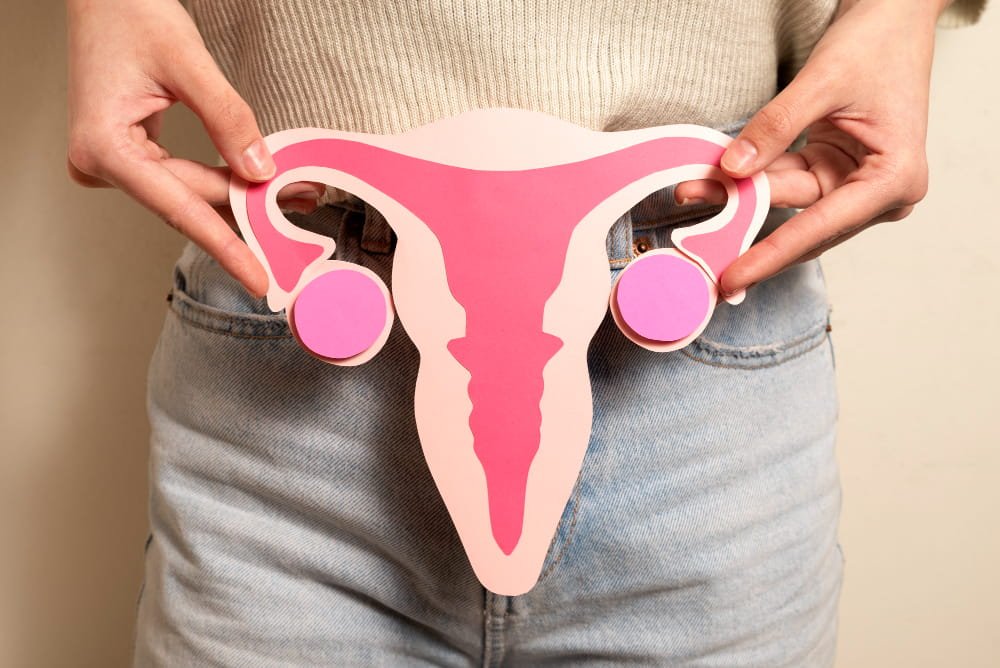
Silent PCOS symptoms affect many women long before they start pregnancy planning. However, most women fail to recognize these symptoms early because they often appear mild or common. Irregular periods, sudden weight gain, acne, facial hair growth, and mood swings may seem normal at first. Nevertheless, these changes can signal Polycystic Ovary Syndrome, also known as PCOS.
In 2026, doctors are seeing a significant rise in PCOS cases among young women. Moreover, many women only discover they have PCOS after struggling with fertility or irregular ovulation. Therefore, understanding silent PCOS symptoms early can help women protect their reproductive health and improve fertility outcomes.
What Is PCOS?
PCOS is a hormonal disorder that affects ovulation and reproductive health in women. Women with PCOS often experience hormonal imbalance, irregular menstrual cycles, and difficulties with egg release.
Additionally, PCOS may affect metabolism, weight management, skin health, emotional wellbeing, and fertility. Although the condition is common, many women remain undiagnosed for years because symptoms develop gradually.
Why Silent PCOS Symptoms Often Go Unnoticed
Silent PCOS symptoms usually appear slowly over time. As a result, many women ignore the warning signs or blame them on stress, lifestyle, or diet.
For example, some women believe irregular periods happen because of busy schedules. Similarly, others think acne or weight gain develops because of poor eating habits. Consequently, they delay medical consultation until fertility concerns appear.
Unfortunately, delayed diagnosis can affect reproductive health and make conception more difficult later.
Common Silent PCOS Symptoms Women Ignore
Irregular Periods
Irregular menstruation is one of the most common silent PCOS symptoms. Some women experience delayed cycles, while others skip periods completely.
However, many women ignore this symptom because they think irregular cycles are normal.
Weight Gain Around the Abdomen
Women with PCOS often gain weight easily, especially around the stomach area. Furthermore, losing weight may become difficult despite exercise and healthy eating.
Hormonal imbalance and insulin resistance commonly contribute to this issue.
Persistent Acne
Acne after teenage years may indicate hormonal imbalance. Women with PCOS frequently experience painful acne around the chin and jawline.
Additionally, breakouts may continue even after using skincare products or treatments.
Excess Facial Hair
Increased facial hair growth is another important PCOS symptom. Women may notice hair growth on the chin, upper lip, chest, or abdomen.
Although some people consider this genetic, hormonal imbalance often plays a major role.
Hair Fall and Hair Thinning
PCOS can affect scalp hair growth as well. Many women experience excessive hair fall, thinning hair, or reduced hair volume.
Consequently, hormonal imbalance may affect both skin and hair health.
Mood Swings and Fatigue
Silent PCOS symptoms may also affect emotional wellbeing. Women often experience anxiety, fatigue, low energy, and mood changes.
However, many women mistake these symptoms for work stress or poor sleep.
Difficulty Conceiving
Many women discover PCOS only after facing fertility problems. Since PCOS affects ovulation, pregnancy may become difficult without proper treatment.
Therefore, fertility challenges often become the first major warning sign.
How Silent PCOS Symptoms Affect Fertility
PCOS affects ovulation, which means the ovaries may not release eggs regularly. Without proper ovulation, natural conception becomes more difficult.
Additionally, hormonal imbalance may affect egg quality and menstrual health. Some women may also experience recurrent miscarriages because of untreated PCOS.
However, early diagnosis and medical support can improve fertility significantly.
Other Health Risks Linked to PCOS
Untreated PCOS may increase the risk of:
- Diabetes
- Obesity
- High cholesterol
- Hypertension
- Anxiety and depression
- Sleep problems
- Endometrial disorders
Therefore, women should never ignore silent PCOS symptoms even if they are not planning pregnancy immediately.
When Should Women Consult a Doctor?
Women should seek medical advice if they notice:
- Irregular periods
- Sudden weight gain
- Persistent acne
- Excess facial hair
- Difficulty conceiving
- Hair thinning
- Hormonal imbalance symptoms
Early treatment can help prevent long-term complications and improve reproductive health.
How Doctors Diagnose PCOS
Doctors usually diagnose PCOS through:
- Hormonal blood tests
- Menstrual history evaluation
- Ultrasound scans
- Physical examination
- Reproductive health assessment
In some cases, doctors also check insulin resistance and metabolic health.
Treatment Options for PCOS
Doctors may recommend:
- Lifestyle changes
- Healthy diet plans
- Weight management
- Hormonal treatment
- Ovulation support
- Fertility treatment
- Regular exercise
Additionally, stress management and quality sleep can help improve hormonal balance naturally.
Tips to Manage Silent PCOS Symptoms Naturally
Follow a Balanced Diet
Nutritious foods support hormone regulation and reproductive health.
Exercise Regularly
Physical activity improves insulin sensitivity and hormonal balance.
Maintain Healthy Sleep
Proper sleep helps regulate hormones and emotional wellbeing.
Reduce Stress
Yoga, meditation, and relaxation techniques can reduce stress hormones effectively.
Avoid Processed Foods
Reducing sugary and processed foods may improve PCOS symptoms naturally.
Conclusion
Silent PCOS symptoms often develop gradually, which makes them easy to ignore. However, irregular periods, acne, facial hair growth, weight gain, and fertility problems may indicate an underlying hormonal disorder.
Therefore, women should pay attention to early warning signs and seek medical guidance without delay. Early diagnosis, lifestyle changes, and proper treatment can help women manage PCOS effectively and improve fertility outcomes.
With the right medical care and healthy habits, women with PCOS can lead healthier lives and achieve successful pregnancies.