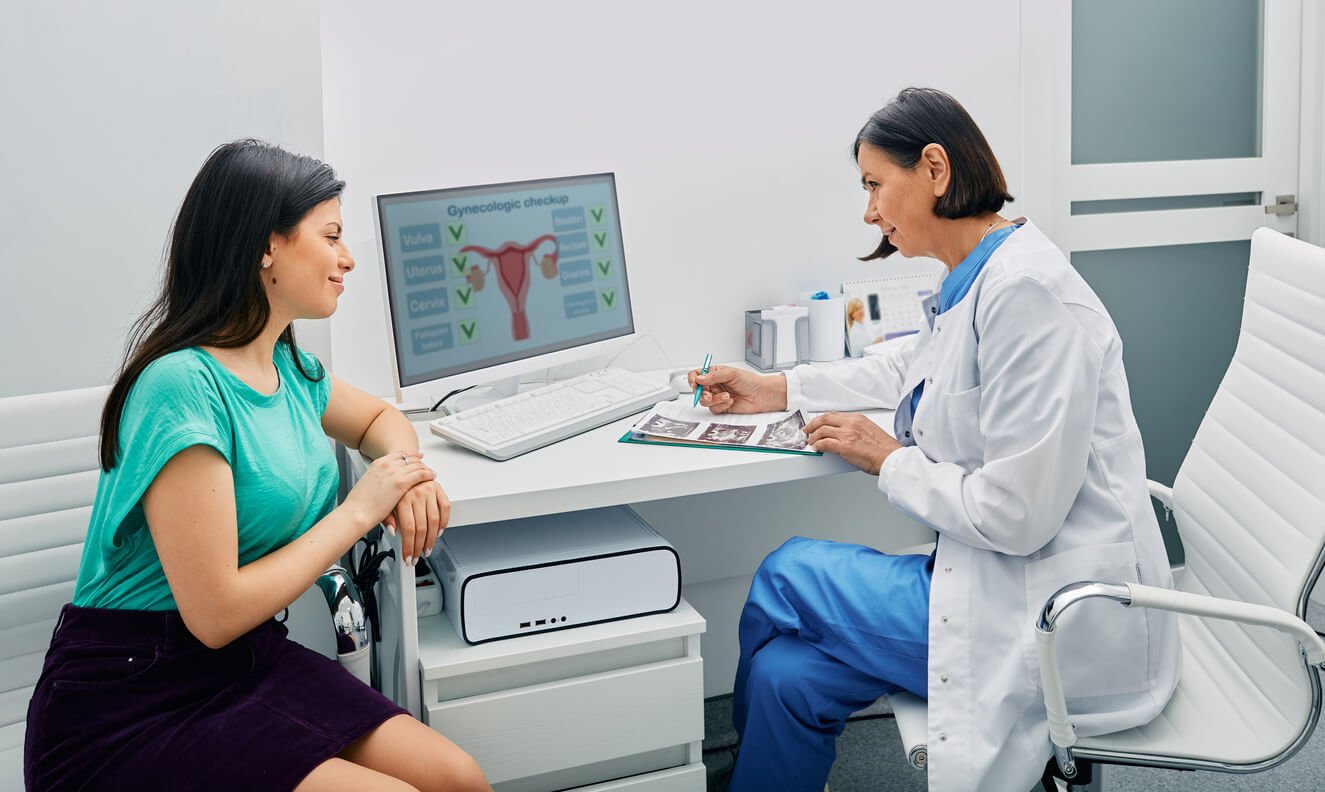
Women’s health requires consistent attention and preventive care at every stage of life. Regular gynecological check-ups play an important role in maintaining reproductive health, identifying potential health concerns early, and ensuring overall well-being. Many gynecological conditions develop gradually without noticeable symptoms, which makes routine examinations essential for early diagnosis and timely treatment.
Why Regular Gynecological Check-ups Matter
Regular gynecological check-ups help monitor reproductive health and detect problems before they become serious. These visits allow doctors to assess overall health, discuss menstrual or hormonal concerns, and provide guidance related to lifestyle and wellness. In addition, routine examinations help women stay informed about their health and receive appropriate medical support when needed.
Common Conditions Detected Early
Gynecological check-ups help identify several common health conditions at an early stage. These may include hormonal imbalances, infections, ovarian cysts, and cervical abnormalities. In some cases, early screening can also help detect conditions such as PCOS or reproductive health disorders before complications develop.
Importance of Preventive Care
Preventive care is one of the biggest advantages of regular gynecological visits. Screenings and examinations help reduce health risks by identifying warning signs early. In addition, preventive care supports long-term reproductive wellness and improves overall quality of life.
Gynecological Check-ups During Different Life Stages
Women’s healthcare needs change over time, and regular check-ups provide support through every stage of life. Adolescents may need guidance related to menstrual health, while adults often seek care for reproductive health and family planning. During pregnancy and menopause, regular medical monitoring becomes even more important for maintaining overall health.
What to Expect During a Check-up
A gynecological check-up usually includes a discussion about medical history, menstrual cycles, and any symptoms or concerns. Depending on age and health needs, the doctor may recommend physical examinations or routine screenings. These visits also provide an opportunity to discuss preventive care and healthy lifestyle practices.
Benefits of Early Diagnosis
Early diagnosis plays a major role in successful treatment and better health outcomes. Detecting issues early can prevent complications and reduce the need for extensive treatment later. Therefore, regular check-ups contribute to safer and more effective healthcare management.
Tips for Maintaining Women’s Health
Maintaining women’s health requires a balanced lifestyle and regular medical care. Eating a nutritious diet, staying physically active, managing stress, and following healthy daily habits support overall wellness. In addition, scheduling routine gynecological check-ups helps ensure long-term reproductive and general health.
When to Visit a Gynecologist
It is important to consult a gynecologist if you experience symptoms such as irregular periods, unusual pain, abnormal discharge, or hormonal concerns. Even without symptoms, routine check-ups are recommended to monitor health and prevent future complications.
Conclusion
Regular gynecological check-ups are essential for maintaining women’s health and preventing serious medical conditions. They support early diagnosis, improve reproductive wellness, and encourage healthier lifestyles. By prioritizing routine care and medical guidance, women can protect their health and improve their overall quality of life.

